Advanced Oxidation Technology for PFAS Removal: Choosing the Right Sensors & Pumps

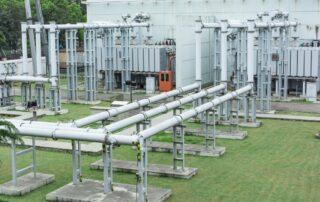
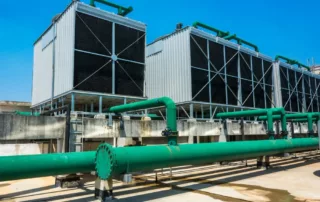
Per- and polyfluoroalkyl substances (PFAS) are synthetic chemicals that have been widely used in various industrial and consumer products for their water and stain resistant properties. However, PFAS have emerged as one of the most concerning environmental pollutants due to their persistence in the environment and potential harmful health effects. The removal of PFAS is a critical priority as these substances can accumulate in water supplies and pose serious risks to human health and the environment. Accurate monitoring and controlled dosing are crucial for ensuring that treatment processes, such as advanced oxidation, to remove PFAS are carried out efficiently. [...]

Advanced Oxidation Technology for PFAS Removal: Choosing the Right Sensors & Pumps2025-11-28T07:04:14-06:00

Sensor Failure Costing You Compliance? How to Select and Maintain Industrial Wastewater Sensors?

Industrial wastewater management is a critical aspect of many manufacturing and treatment processes. Keeping wastewater systems in compliance with local regulations is crucial not just for operational efficiency but also for reducing the environmental footprint. A key factor in maintaining compliance is the proper functioning of industrial wastewater sensors. Choosing the right sensors is key, as failed or malfunctioning ones lead to costly downtime, inaccurate readings, and potential regulatory violations. This post covers the key causes of sensor failure, how to choose the right sensor, and practical maintenance and calibration tips. It also highlights the [...]

Sensor Failure Costing You Compliance? How to Select and Maintain Industrial Wastewater Sensors?2025-11-28T05:38:15-06:00

Optimizing Polymer Dosing to Prevent Overdose in Sludge Dewatering

In wastewater treatment plants, sludge dewatering is one of the most critical stages in reducing sludge volume and disposal costs. Polymers play a vital role in this process. They enhance solid liquid separation and improve dewatering efficiency. However, even a slight overdose of polymers can lead to significant issues such as poor cake quality, high chemical costs and excessive sludge return. To prevent these problems, precise polymer dosing through smart metering systems is essential. This is where Walchem’s IX Series and EHE metering pumps become instrumental in maintaining accuracy, reliability and consistency in polymer dosing for wastewater treatment. [...]

Optimizing Polymer Dosing to Prevent Overdose in Sludge Dewatering2025-11-26T04:12:55-06:00

Controller Guide for pH Neutralization in Chrome Conversion & Metal Finishing

pH neutralization plays a crucial role in chrome conversion and metal finishing wastewater treatment. These processes often produce highly acidic or alkaline wastewater that changes quickly during operation, making it difficult to keep pH levels within safe discharge limits. When pH control is unstable, facilities face higher chemical costs, equipment damage and a risk of non-compliance. This blog explains why traditional control systems struggle in chrome conversion applications and how advanced pH control technology can deliver accurate and consistent results. Understanding the Critical Role of pH Neutralization Control in Chrome Conversion Chrome conversion and [...]

Controller Guide for pH Neutralization in Chrome Conversion & Metal Finishing2025-11-26T03:50:07-06:00

Vapor Lock in Chemical Metering: What It Is and How to Fix It

Chemical metering pumps are essential components in water treatment facilities, industrial processes, and various applications requiring precise chemical dosing. However, operators frequently encounter a frustrating issue that can bring their entire system to a halt: chemical metering pump vapor lock. Understanding this phenomenon and implementing proper solutions is crucial for maintaining reliable chemical injection systems. What Is Vapor Lock in Chemical Metering Systems? Vapor lock occurs when gases accumulate within the pump head, preventing the proper flow of liquid chemicals. This vapor lock chemical injection pump issue typically develops when volatile chemicals transition from liquid [...]

Vapor Lock in Chemical Metering: What It Is and How to Fix It2025-11-24T01:37:32-06:00

How Precision Chemical Injection Improves Coagulation and Flocculation in Water Treatment?

Coagulation and flocculation are two of the most critical processes in water and wastewater treatment. These steps help remove suspended solids, organic matter, and other impurities, ensuring that water meets regulatory and safety standards. However, the effectiveness of these processes depends heavily on accurate chemical dosing. Precision chemical injection for coagulation and flocculation not only improves particle removal but also ensures consistency, reduces chemical waste and enhances overall water treatment efficiency. Why Chemical Injection Matters in Coagulation and Flocculation During coagulation, chemicals such as alum or ferric salts are added to destabilize suspended particles. Flocculation [...]

How Precision Chemical Injection Improves Coagulation and Flocculation in Water Treatment?2025-11-24T04:00:12-06:00

Why Dosing Pumps Are Essential for Reliable RO Water Treatment

Reverse Osmosis (RO) systems are widely used in municipal, industrial and commercial applications to produce high-purity water. However, the efficiency and reliability of an RO system depend heavily on the proper balance of chemicals introduced during the treatment process. This is where dosing pumps for RO water treatment play a critical role. By accurately delivering chemicals in controlled quantities, dosing pumps protect membranes, improve system efficiency and ensure consistent water quality. In this blog, we’ll explore why dosing pumps are indispensable in RO applications, common challenges users face and how to choose the right chemical [...]

Why Dosing Pumps Are Essential for Reliable RO Water Treatment2025-11-20T01:05:12-06:00

The Role of Feed Rate Calibration in Optimizing Metering Pump Accuracy

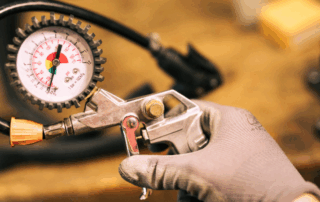
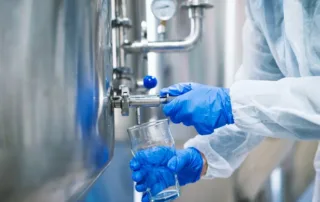
In industries where precision dosing of liquids or chemicals is essential, the importance of feed rate calibration cannot be overstated. This process plays a critical role in ensuring that pumps operate at their peak efficiency and accuracy, which is vital for applications ranging from water treatment to pharmaceuticals and beyond. This blog delves into the significance of feed rate calibration, how it impacts the performance of pumps, and best practices for achieving optimal results. Understanding Feed Rate Calibration Feed rate calibration is the process of verifying and adjusting the amount of liquid delivered by a pump within a given time. This [...]

The Role of Feed Rate Calibration in Optimizing Metering Pump Accuracy2025-05-20T05:55:16-05:00

How Real-Time Data and Automation are Shaping the Future of Water Treatment

In the fast-changing world of water treatment, technological advancements are paving the way to smarter, more efficient, and more sustainable practices. Real-time data and automation drive the industry toward even greater accuracy in control, predictive maintenance, and proper resource management. As water scarcity, urbanization, and climate change are issues facing the rest of the world today, these innovations are not only useful but also necessary. Since it has a great importance, it is very crucial to understand how real-time data and automation are shaping the future of water treatment, transforming wastewater management, and driving the development of advanced aqua future water [...]

How Real-Time Data and Automation are Shaping the Future of Water Treatment2025-05-20T06:10:04-05:00

SCADA vs. Traditional Control Systems in Water Treatment

Water treatment is a critical process ensuring the supply of safe water for a range of purposes including drinking and industrial needs. Over the years, the technology behind treatment of water has evolved significantly. Among the most notable advancements is the implementation of Supervisory Control and Data Acquisition (SCADA) systems, which have gradually replaced traditional control systems. Let’s understand the difference between SCADA and traditional control systems in water treatment, highlighting their functionalities, benefits, and the reasons behind the shift towards SCADA water treatment. Understanding Traditional Control Systems in Water Treatment In the field of water treatment traditional control systems mainly [...]

SCADA vs. Traditional Control Systems in Water Treatment2025-05-20T06:11:51-05:00
Go to Top