
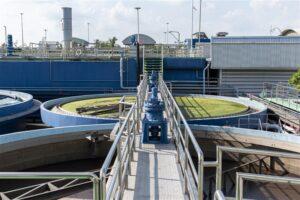
Chemical metering pumps are essential components in water treatment facilities, industrial processes, and various applications requiring precise chemical dosing. However, operators frequently encounter a frustrating issue that can bring their entire system to a halt: chemical metering pump vapor lock. Understanding this phenomenon and implementing proper solutions is crucial for maintaining reliable chemical injection systems.
What Is Vapor Lock in Chemical Metering Systems?
Vapor lock occurs when gases accumulate within the pump head, preventing the proper flow of liquid chemicals. This vapor lock chemical injection pump issue typically develops when volatile chemicals transition from liquid to gas state within the pumping system, creating air pockets that disrupt normal operation. The pump may continue to stroke mechanically, but it fails to deliver the required chemical dosage to your process.
Chemical metering pumps rely on creating a pressure differential to move liquids. When gas bubbles form or accumulate in the pump chamber, they compress instead of transferring, effectively breaking the hydraulic connection between the pump and the chemical being dosed.
Common Causes of Chemical Dosing Pump Problems
Understanding the root causes helps prevent vapor lock issues before they occur. Primary factors contributing to chemical dosing pump problems include:
Chemical Volatility: Certain chemicals, particularly sodium hypochlorite are highly prone to off-gassing. As these chemicals age or are exposed to heat, they release gases that can accumulate in the pump system.
Temperature Fluctuations: Elevated temperatures accelerate chemical volatility, increasing the likelihood of vapor formation within the system. Inadequate temperature control in storage areas often exacerbates this issue.
System Design Issues: Poor suction line design, excessive lift heights or inadequate priming can create conditions where air enters the system or dissolved gases come out of solution.
Chemical Degradation: Over time, stored chemicals naturally break down, producing gases as byproducts. This is particularly common with oxidizing chemicals used in water treatment applications.
Identifying Vapor Lock Symptoms
Recognizing vapor lock early prevents extended downtime and ensures consistent chemical dosing. Key indicators include:
- Complete cessation of chemical flow despite normal pump operation
- Erratic dosing rates or inconsistent chemical delivery
- Zero or abnormally low discharge pressure readings
- Visible air bubbles in sight glasses or transparent tubing
- Unusual pump noises or vibrations during operation
Metering Pump Troubleshooting: Immediate Solutions
When vapor lock occurs, implementing systematic troubleshooting procedures restores normal operation:
Step 1: Immediate System Shutdown Stop the pump immediately to prevent potential damage to internal components and seals.
Step 2: Vent Trapped Gases Open manual vent valves or bleed screws on the pump head to release accumulated gases. This process may require multiple cycles to completely clear the system.
Step 3: Prime the System Re-prime the pump by ensuring the suction line is filled with liquid and all air is expelled. Proper priming is essential for restoring hydraulic continuity.
Step 4: Inspect for Leaks Check all suction connections, valves, and fittings for air leaks that could allow gas infiltration into the system.
Long-Term Prevention Strategies
Preventing vapor lock requires addressing underlying system design and operational factors:
Install Degassing Equipment: Implement flotation tanks or vacuum degassing systems upstream of the pump to remove dissolved gases before they enter the pumping system.
Optimize Chemical Storage: Maintain proper storage temperatures and implement first-in-first-out inventory rotation to minimize chemical aging and degradation.
Improve System Design: Ensure adequate suction line sizing, minimize elevation changes, and install proper venting points throughout the system.
Regular Maintenance Programs: Establish routine inspection schedules for seals, connections, and system components to prevent air infiltration.
Chemical Pump Air Lock Fix: Professional Solutions
For persistent vapor lock issues, consider these advanced solutions:
Pump Selection Optimization: Different pump technologies have varying susceptibility to vapor lock. Proper pump selection based on your specific chemical application can significantly reduce vapor lock occurrence.
Chemical Compatibility Assessment: Ensure your pump materials and system design are compatible with your chemicals. Chemical compatibility plays a crucial role in preventing degradation and gas formation.
System Redesign: In severe cases, modifying suction configurations, adding booster pumps, or implementing pressurized feed systems may be necessary.
Conclusion
Vapor lock in chemical metering systems is a preventable issue that requires understanding of both chemical properties and system design principles. By implementing proper troubleshooting procedures, maintaining equipment regularly, and addressing root causes, operators can ensure reliable chemical dosing performance. When selecting new equipment, consider chemical metering pumps designed specifically for your application requirements to minimize vapor lock susceptibility.
Regular monitoring, preventive maintenance, and proper system design are your best defenses against costly downtime and inconsistent chemical dosing caused by vapor lock issues.