
In wastewater treatment plants, sludge dewatering is one of the most critical stages in reducing sludge volume and disposal costs. Polymers play a vital role in this process. They enhance solid liquid separation and improve dewatering efficiency. However, even a slight overdose of polymers can lead to significant issues such as poor cake quality, high chemical costs and excessive sludge return.
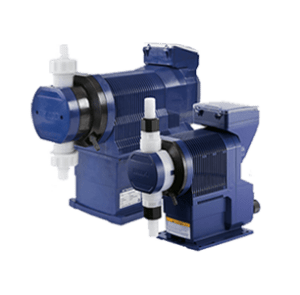
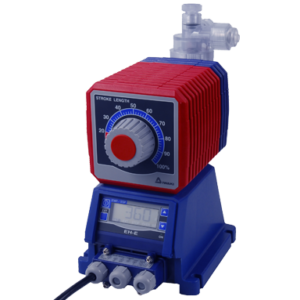
To prevent these problems, precise polymer dosing through smart metering systems is essential. This is where Walchem’s IX Series and EHE metering pumps become instrumental in maintaining accuracy, reliability and consistency in polymer dosing for wastewater treatment.
Why Polymer Dosing is required in Sludge Dewatering?
Polymers act as coagulants and flocculants in wastewater sludge dewatering. They help bind fine particles into larger aggregates, allowing efficient separation of solids from water. When properly dosed, polymers improve filter performance, increase solids capture and reduce the volume of sludge for disposal.
However, dosing accuracy is crucial. Both underdosing and overdosing can negatively impact system performance:
- Underdosing: Results in incomplete flocculation, poor sludge dewatering and high moisture content in the final cake.
- Overdosing: Leads to excessive polymer use, sticky sludge, fouled equipment and increased disposal and operational costs.
Therefore, optimizing polymer dosing in sludge dewatering is not just a matter of efficiency. It directly influences the overall cost-effectiveness and sustainability of dewatering wastewater treatment operations.
Consequences of Polymer Overdose in Wastewater Treatment
Many operators assume more is better but in sludge dewatering, overdosing can do more harm than good. Common consequences include:
- Increased Chemical Costs: Even small overdoses multiply over time, significantly inflating operational budgets.
- Reduced Dewatering Efficiency: Excess polymer can coat filter media, reducing permeability and water removal rates.
- Poor Cake Quality: Overdosed sludge often retains too much water, leading to higher disposal costs.
- Equipment Fouling: Sticky polymer residues can clog lines, pumps and dewatering devices requiring more frequent maintenance.
The goal, therefore is controlled polymer addition achieved through advanced metering technologies.
Smart Metering Systems: The Key to Accurate Polymer Dosing
To ensure consistent dosing and optimal dewatering performance, treatment plants are increasingly adopting smart metering pumps equipped with automatic control features. These systems precisely regulate polymer feed based on flow rates, viscosity, and process demand.
- Precision and Repeatability: Smart metering pumps, such as Walchem’s IX Series and EHE models are designed to deliver high accuracy and repeatable dosing even under fluctuating process conditions. The IX Series for instance utilizes digital stroke control technology to achieve a dosing accuracy of ±1%, ensuring precise polymer addition every time.
- Adaptive Dosing Control: Modern pumps can integrate with sensors and control systems to automatically adjust polymer flow based on real time feedback from sludge characteristics. This prevents both underdosing and overdosing.
- Chemical Compatibility and Reliability:
Walchem’s metering pumps are engineered with durable materials that handle the challenging chemical nature of polymers without compromising performance. Their robust design ensures long service life and reduced downtime.
- Ease of Integration:
Smart metering systems can be easily connected with existing wastewater sludge dewatering equipment and control units making them a flexible upgrade for plants looking to optimize chemical dosing.
How to Optimize Polymer Dosing in Sludge Dewatering?
To enhance polymer dosing wastewater treatment performance, consider the following best practices:
- Conduct Jar Testing: Determine the optimal polymer concentration for your specific sludge type before full scale implementation.
- Monitor Feed Rates Continuously: Use flow sensors and automated controls to maintain consistent dosing relative to sludge flow changes.
- Use High Performance Metering Pumps: Employ pumps like Walchem’s IX Series (for digital precision) or EHE pumps (for reliability in high-viscosity applications).
- Regular Calibration and Maintenance: Periodically calibrate pumps and check for wear to sustain dosing accuracy.
- Integrate with SCADA Systems: Automate data logging and feedback loops for realtime process optimization.
By adopting these strategies, plants can minimize chemical waste improve cake dryness and reduce energy consumption making sludge dewatering more efficient and sustainable.
Why Choose Walchem’s IX Series and EHE Pumps for Polymer Dosing?
Walchem’s IX Series and EHE metering pumps are designed specifically for high precision chemical dosing in demanding wastewater treatment environments.
- IX Series Pumps: Feature advanced digital control, slow-speed drive mechanisms, and built-in calibration to ensure accurate polymer dosing across variable flow conditions.
- EHE Pumps: Offer rugged reliability and wide chemical compatibility, making them ideal for long-term use in polymer dosing applications.
Together, these pumps empower operators to achieve optimal polymer dosing balancing chemical efficiency, equipment longevity, and dewatering performance.
Conclusion
In wastewater sludge dewatering, precision is everything. Overdosing polymers not only wastes chemicals but also compromises dewatering efficiency and increases costs. Implementing smart metering systems, such as Walchem’s IX Series and EHE pumps, enables treatment facilities to maintain exact control over polymer addition ensuring consistent, cost-effective and environmentally responsible operations.
By focusing on polymer dosing optimization, wastewater treatment plants can achieve superior performance, reduced expenses and greater process stability.
Frequently Asked Questions (FAQs)
- Why is polymer dosing important in sludge dewatering?
Polymer dosing is critical because polymers help separate solids from liquids during sludge dewatering. The correct dose improves floc formation, enhances filter performance, and reduces sludge volume. Incorrect dosing especially overdosing can increase costs and reduce dewatering efficiency.
- What happens if polymers are overdosed in wastewater treatment?
Polymer overdose can lead to several issues, including higher chemical costs, poor cake dryness, equipment fouling and reduced dewatering performance. Overdosing also makes sludge sticky and difficult to handle, ultimately increasing disposal and maintenance expenses.
- How can I optimize polymer dosing in sludge dewatering?
To optimize polymer dosing:
- Perform jar tests to determine the ideal polymer concentration.
- Use smart metering pumps with real-time feedback control.
- Monitor sludge characteristics and adjust dosing automatically.
- Maintain and calibrate dosing equipment regularly.
Advanced systems like Walchem’s IX Series and EHE pumps help achieve precise and consistent dosing.
- What are smart metering systems, and how do they help?
Smart metering systems are automated pumps that control chemical flow based on process demand. They ensure accurate polymer addition by adjusting the dose in real time, preventing both underdosing and overdosing. This improves process stability and reduces chemical waste.
- Which Walchem pumps are best suited for polymer dosing in wastewater treatment?
Walchem’s IX Series and EHE metering pumps are ideal choices. The IX Series provides digital precision and adaptive control, while the EHE model offers durability and reliability for high viscosity polymer applications. Both ensure accurate, repeatable dosing in demanding wastewater environments.
- How often should polymer dosing equipment be calibrated?
It’s recommended to calibrate polymer dosing systems at least once every few months or whenever process conditions change. Regular calibration ensures optimal performance, minimizes errors, and extends equipment lifespan.