
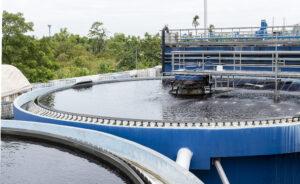
Industrial wastewater management is a critical aspect of many manufacturing and treatment processes. Keeping wastewater systems in compliance with local regulations is crucial not just for operational efficiency but also for reducing the environmental footprint. A key factor in maintaining compliance is the proper functioning of industrial wastewater sensors. Choosing the right sensors is key, as failed or malfunctioning ones lead to costly downtime, inaccurate readings, and potential regulatory violations.
This post covers the key causes of sensor failure, how to choose the right sensor, and practical maintenance and calibration tips. It also highlights the role of remote monitoring in improving sensor reliability and ensuring compliant wastewater treatment.
Common Causes of Industrial Wastewater Sensor Failure
Sensor failure can be a significant pain point in industrial wastewater systems. Here are some of the most common causes of sensor failure.
- Fouling: Fouling occurs when sludge, biofilms or scale accumulate on the sensor, blocking its ability to provide accurate readings. In wastewater systems, this can be caused by organic matter, chemicals and other particles present in the water. Fouling can lead to sensor malfunction or complete failure if not regularly cleaned.
- Incorrect calibration: Improper calibration can cause significant inaccuracies in sensor readings. Regular wastewater sensor calibration using standard or reference solutions is vital for ensuring that the sensor is reading correctly and maintaining compliance with industry standards.
- Wear and tear: Over time, sensors can degrade due to continuous exposure to harsh conditions in wastewater systems. Physical damage, corrosion or contamination can shorten their lifespan and affect performance.
- Power Issues: Inconsistent or unreliable power supply to sensors can result in malfunction or complete sensor failure. Electrical interference or fluctuations in voltage can also affect sensor accuracy, leading to operational disruptions.
- Environmental Factors: Extreme temperatures, humidity, or exposure to corrosive chemicals can cause sensors to fail faster than expected. So, choose sensors that are built to withstand the specific conditions of your wastewater system.
How to Choose the Right Sensor for Your Wastewater System?
- pH / ORP Sensors: pH and ORP values are crucial for controlling chemical dosing and maintaining water quality in wastewater systems. pH/ORP sensors measure the hydrogen ion concentration and oxidation or reduction potential, providing accurate pH and ORP readings.
- Conductivity Sensors: Conductivity sensors measure the level of dissolved solids, salts, or ions in wastewater. Contacting conductivity sensors and electrodeless conductivity sensors are subtypes of conductivity sensors, wherein contacting is an electrode-based sensor, while electrodeless does not have electrodes.
- Dissolved Oxygen (DO) Sensors: Dissolved oxygen is a key parameter for aerobic biological treatment processes, such as in activated sludge systems. They are perfect for real-time monitoring of DO levels in wastewater systems. These sensors ensure that the oxygen levels remain within the optimal range for biological processes, promoting effective treatment.
- Corrosion Sensors: Monitoring corrosion is crucial in wastewater systems. Corrosion sensors measure the rate of corrosion in real time, helping you prevent equipment damage and improve system longevity. These sensors provide valuable data that can help reduce maintenance costs and avoid system failure.
- Turbidity Sensors: Turbidity sensors are essential for measuring the clarity of water and detecting suspended solids. These sensors help monitor the effectiveness of filtration and settling processes. They are ideal for systems where suspended solids or particles can cause fouling or affect water quality.
Preventing Fouling and Reducing Maintenance Frequency
Fouling is one of the leading causes of sensor failure in industrial wastewater systems. Here are a few tips to reduce fouling and extend sensor life.
- Regular cleaning: Set up a routine maintenance schedule to clean the sensors and remove buildup from fouling materials. Using automated cleaning systems or periodically cleaning sensors manually can help prevent clogging and maintain performance.
- Use antifouling coatings: Some sensors come with coatings that reduce the likelihood of fouling. If fouling is a significant issue in your system, look for sensors that offer these specialized coatings to prevent debris buildup.
- Proper Installation: Ensure the sensors are installed in areas where they are less likely to come into contact with debris, heavy solids, or chemicals that may cause fouling.
- Regularly monitor sensor performance: Monitor the performance of your sensors regularly to detect early signs of fouling. By identifying problems early, you can prevent costly repairs and reduce downtime.
Simple Calibration and Care Tips to Extend Sensor Lifespan
Proper calibration and maintenance are key to extending the lifespan of your sensors and ensuring they continue to provide accurate readings. Here are some practical tips for calibration and care.
- Regular calibration: For accurate measurements, wastewater sensor calibration should be done on a regular basis. pH sensors, for example, require recalibration after each use or at set intervals based on the system’s needs.
- Check for drift: Even well-maintained sensors may experience drift over time. Check your sensors regularly for drift in their readings and recalibrate as necessary.
- Store sensors properly: When not in use, store sensors according to the manufacturer’s instructions. Proper storage can help prevent damage and extend the life of the sensor.
- Use calibration kits: Using standard calibration kits ensures your sensors are calibrated correctly and accurately. Avoid using cheap or incorrect calibration solutions, as these can cause the sensor to drift and provide incorrect readings.
How Remote Monitoring Improves Compliance and Early Fault Detection?
Remote monitoring is an invaluable tool for ensuring compliance in industrial wastewater systems. By continuously collecting sensor data and transmitting it to a centralized system, you can:
- Detect sensor issues early: Remote monitoring can alert you to sensor issues or calibration problems before they cause significant disruptions or violations.
- Monitor compliance in real-time: With remote monitoring, you can track real-time data on wastewater parameters, ensuring that your system is consistently operating within regulatory limits.
- Reduce maintenance costs: By identifying issues early, remote monitoring helps you avoid costly repairs and replacement of sensors. Predictive maintenance can help you plan repairs and calibrations before problems arise, minimizing downtime and maintenance costs.
- Improve operational efficiency: With remote monitoring, you can access the data from anywhere and control the operation of your wastewater treatment system through a connected device such as a smartphone. You need not be present at the site and yet make quick adjustments, improving the overall system efficiency.
It is important to ensure your wastewater treatment system runs smoothly and is compliant with the regulatory requirements. If you need assistance selecting the right industrial wastewater sensors or implementing a remote monitoring system, Walchem’s team of experts is here to help. Our innovative solutions in sensor technology, metering pumps, and remote monitoring can help ensure your system stays compliant, efficient, and cost-effective.